What are the Benefits of Using Paper Grocery Bags?
In recent years, the shift towards sustainable shopping practices has gained momentum. Paper grocery bags have emerged as a popular alternative to their plastic counterparts. According to a 2022 report by the Environmental Protection Agency, paper bags have a lower environmental impact when produced and disposed of responsibly. These bags are biodegradable and can decompose within a short period, unlike plastic bags, which often persist for centuries.
The usage of paper grocery bags can significantly reduce plastic waste in landfills and oceans. For instance, a survey by the Paper and Paperboard Packaging Environmental Council highlighted that using paper bags could cut down plastic consumption by over 15 billion bags annually. Furthermore, many retailers are responding to consumer demand for eco-friendly options. This indicates a broader trend toward environmentally-conscious shopping.
However, there are flaws in the paper bag paradigm. It requires more energy to produce paper bags compared to plastic ones. This leads to a reflection on the complete lifecycle of grocery bags. Consumers need to weigh the benefits and drawbacks, ensuring that they use paper grocery bags effectively. Understanding this balance is key to promoting sustainable practices while being mindful of environmental impacts.
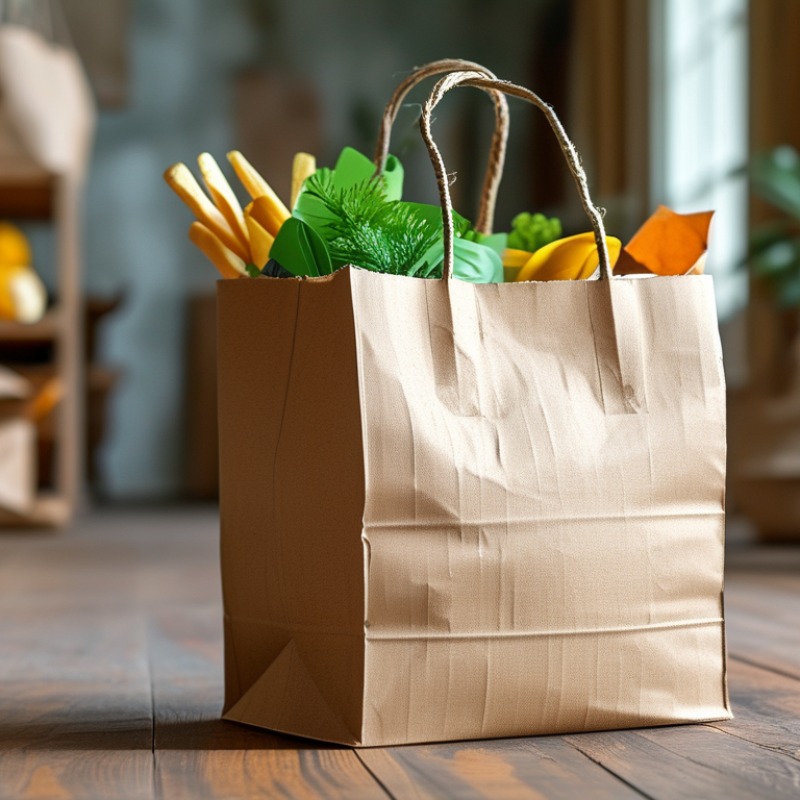
Benefits of Using Paper Grocery Bags for the Environment
Using paper grocery bags offers numerous benefits for the environment. According to the Environmental Paper Network, paper bags decompose much faster than plastic bags, typically taking around one month, while plastic can linger for up to 1,000 years. This rapid decomposition greatly reduces landfill waste, contributing to a healthier planet.
Additionally, paper bags are often made from renewable resources and are recyclable. The Paper and Paperboard Packaging Environmental Council reports that more than 70% of paper bags are recycled, compared to only 9% of plastic bags. This high recycling rate helps conserve natural resources and reduces the need for new raw materials. While the production of paper bags does have environmental impacts, such as energy consumption and deforestation, sustainable sourcing practices are improving these outcomes.
Tips for using paper grocery bags include reusing them for other shopping trips or as trash bin liners. Always check for damage before reuse. Another recommendation is to store them in a dry place to prevent moisture damage. Embracing these habits not only promotes sustainability but also encourages a more mindful approach to everyday shopping. Transitioning to paper bags can be a small yet meaningful step towards reducing our environmental footprint.
Economic Advantages of Switching to Paper Grocery Bags
Switching to paper grocery bags offers notable economic advantages. Research indicates that paper bags are often more cost-effective than their plastic counterparts. A report from the Paper and Packaging Board highlights that paper bags can typically be produced at a lower cost due to the availability of renewable resources. This transition can lower costs for retailers in the long term while appealing to environmentally conscious consumers.
Moreover, using paper bags can enhance a store's image. Consumers are increasingly drawn to brands that promote sustainability. A survey by Nielsen reveals that nearly 73% of millennials are willing to pay more for sustainable offerings. This indicates a growing market for businesses that adopt eco-friendly practices. However, the switch to paper bags isn't without challenges. The production process can be resource-intensive, raising questions about the carbon footprint involved.
Additionally, the recycling infrastructure varies by region. While many areas have robust systems for recycling paper, others lag behind. This inconsistency can undermine the overall benefits of using paper bags. It's essential for businesses to consider local capabilities and consumer habits when making this change. Balancing economic benefits with environmental impact requires careful planning and community engagement.
Durability and Strength: Comparing Paper to Plastic Bags
When comparing paper and plastic bags, durability and strength are key factors. Paper grocery bags offer impressive sturdiness. They are made from multiple sheets of recycled pulp, which enhances their structural integrity. Many consumers often overlook this quality. A well-folded paper bag can carry a significant amount of weight without tearing.
In contrast, plastic bags are lightweight but can be flimsy. A typical plastic bag may stretch and tear under pressure. This can lead to spills and waste during shopping. While they have water resistance, it’s worth noting the environmental damage they cause. Thus, paper options seem increasingly favorable.
However, the strength of paper bags is not without its flaws. They can weaken when exposed to moisture. Water can compromise their load capacity. It's crucial to consider these aspects when choosing between them. A thoughtful choice can lead to better shopping experiences while promoting eco-friendly practices.
Health and Safety Considerations of Paper Grocery Bags
When considering paper grocery bags, health and safety aspects are crucial. These bags are biodegradable, making them more environmentally friendly than plastic alternatives. They break down naturally, reducing landfill waste. Many believe this leads to a healthier planet.
Paper bags are often treated with preservatives. These chemicals can potentially transfer to food. Regular paper bags usually don’t pose significant risks. However, it's worth being cautious about their usage. Proper storage is essential to avoid moisture damage. Keep them dry and away from contaminants.
Another point to reflect on is their sturdiness. While paper bags are strong, they aren't waterproof. Liquids can cause them to tear. If you're carrying wet items, consider using alternatives or adding a lining. Evaluating the bag's condition before use is also wise. Small damages can lead to larger issues during shopping.
Recyclability and Compostability of Paper Grocery Bags
Paper grocery bags are gaining popularity due to their recyclability and compostability. According to the EPA, paper bags recycle at a rate of 80% in the United States. This highlights their efficient reuse in various applications, reducing waste in landfills. Unlike plastic bags, paper bags can be recycled multiple times. This characteristic supports a circular economy, ensuring resources are utilized effectively.
Moreover, paper bags are compostable, breaking down within weeks. Research shows that they decompose faster than plastic bags, which can take hundreds of years. Compostable products contribute to healthy soil and reduced greenhouse gases. This benefit aligns with a growing consumer preference for sustainable choices. A survey by McKinsey revealed that 67% of consumers prioritize environmentally friendly packaging. However, challenges exist in ensuring that paper bags are discarded in the right way. Contaminated bags may not compost effectively, underscoring the importance of proper waste management practices.




 WeChat QR
 WhatsApp QR