Why Choose Paper Carrier Bags for Sustainable Shopping Solutions?
In recent years, the demand for sustainable shopping solutions has surged. Consumers increasingly prioritize eco-friendly options, prompting businesses to adapt. Paper carrier bags stand out as a noteworthy alternative. According to a 2022 report by the Global Paper Association, the use of paper bags can reduce carbon footprints by up to 60% compared to plastic bags.
The transition towards paper carrier bags not only addresses environmental concerns but also enhances brand image. A study revealed that 74% of consumers are more likely to purchase from businesses using eco-friendly packaging. This shift highlights the importance of sustainability in consumer decision-making. However, challenges persist, such as ensuring the bags are produced sustainably and maintaining cost efficiency.
Sourcing of paper bags should also consider lifecycle assessments. Many options today still involve significant resource use. Brands must critically evaluate their supply chains. By strategically integrating paper carrier bags, retailers can create a positive impact. Yet, the real question is whether the industry will fully embrace this change for a better future.
Benefits of Using Paper Carrier Bags for the Environment
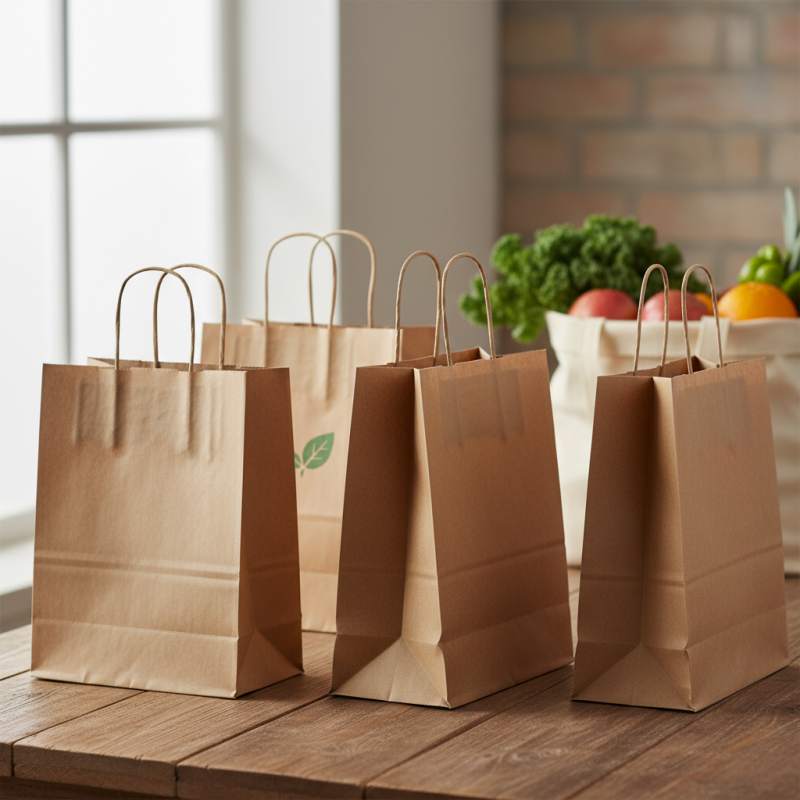
Paper carrier bags are becoming a popular choice for sustainable shopping. They offer numerous benefits for the environment. Made from renewable resources, these bags are biodegradable and compostable. Unlike plastic bags, they break down naturally, reducing landfill waste.
Using paper carrier bags can also save energy. The production process for paper bags uses less energy compared to their plastic counterparts. Additionally, they can be recycled multiple times, contributing to a circular economy. However, not all paper bags are created equal. Some may still have harmful coatings that affect biodegradability.
While the shift to paper bags is positive, consumers must also remember to reuse them. Single-use habits persist, and this can undermine sustainability efforts. Opting for durable options can encourage better practices. Paper carrier bags are a step forward, but they are not a complete solution. Every choice counts towards a greener future.
Comparison of Paper Carrier Bags and Plastic Bags
When comparing paper carrier bags and plastic bags, several key factors come into play. Paper bags are biodegradable and often made from renewable resources. They can decompose within months, reducing their environmental impact. In contrast, plastic bags can take hundreds of years to break down. They contribute to pollution and can harm wildlife if not disposed of properly.
However, paper bags are not without their drawbacks. The production process can consume more energy and water compared to plastic. This raises questions about sustainability. While paper bags feel good to use, they may not be as durable. They can tear easily, especially when wet, which may lead to frustrating shopping experiences. In an effort to make a better choice, shoppers might overlook this aspect.
On the other hand, plastic bags are lightweight and convenient. They are strong and often reusable. Yet, their convenience comes at a cost. Many end up in landfills, harming ecosystems. The challenge lies in finding that balance. Each option has pros and cons that warrant reflection. Making eco-friendly choices requires careful consideration of these details.
Why Choose Paper Carrier Bags for Sustainable Shopping Solutions? - Comparison of Paper Carrier Bags and Plastic Bags
| Criteria |
Paper Carrier Bags |
Plastic Bags |
| Material Source |
Renewable resources (trees) |
Non-renewable resources (fossil fuels) |
| Biodegradability |
Biodegradable |
Non-biodegradable |
| Recyclability |
Highly recyclable |
Recyclable, but less effective |
| Strength and Durability |
Strong and reusable |
Less durable and single-use |
| Impact on Wildlife |
Minimal impact |
Significant impact |
| Cost |
Moderately priced |
Lower cost |
Durability and Strength of Paper Carrier Bags
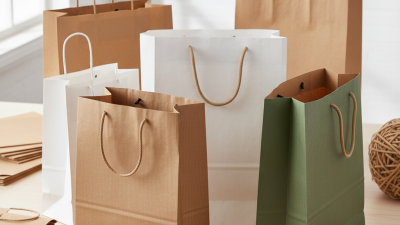
Paper carrier bags have become a popular choice for those seeking sustainable shopping options. Their durability stands out, especially when carrying heavy or bulky items. Thick kraft paper layers provide strength that resists tearing easily. Handles are often reinforced, making it possible to carry groceries or books without stress.
These bags balance weight and sturdiness well. Unlike flimsy plastic bags, they won’t snap unexpectedly. However, they are not indestructible. Paper can weaken if exposed to moisture, which buyers should consider. Using waxed or coated variants might help, but such coatings could affect recyclability. So, the durability comes with a small trade-off.
The texture of paper bags gives a simple, natural feeling. They often hold up through many uses, adding value beyond a single trip. Yet, heavy usage or rough conditions could lead to wear and tear faster than expected. Customers need to handle them with some care but still gain an eco-friendlier alternative. This reflects ongoing challenges in sustainable product design.
Recyclability and Biodegradability of Paper Carrier Bags
Paper carrier bags are gaining popularity as a sustainable alternative for shopping. Their recyclability makes them an appealing choice for eco-conscious consumers. After use, these bags can easily be recycled in most paper recycling programs. This reduces the volume of waste in landfills and promotes a circular economy.
Moreover, paper bags have a natural biodegradability. When discarded, they break down into organic matter within a few months. This process is far more environmentally friendly than plastic bags, which can take hundreds of years to decompose. It’s a striking advantage for those who want to minimize their ecological footprint.
However, there are some misconceptions about paper bags. Not all paper bags are created equal. Some are coated with materials that hinder recyclability. This is a critical point for consumers to consider. Also, the production of paper bags requires trees, which brings its own environmental concerns. It’s essential to reflect on these factors while making eco-friendly choices.
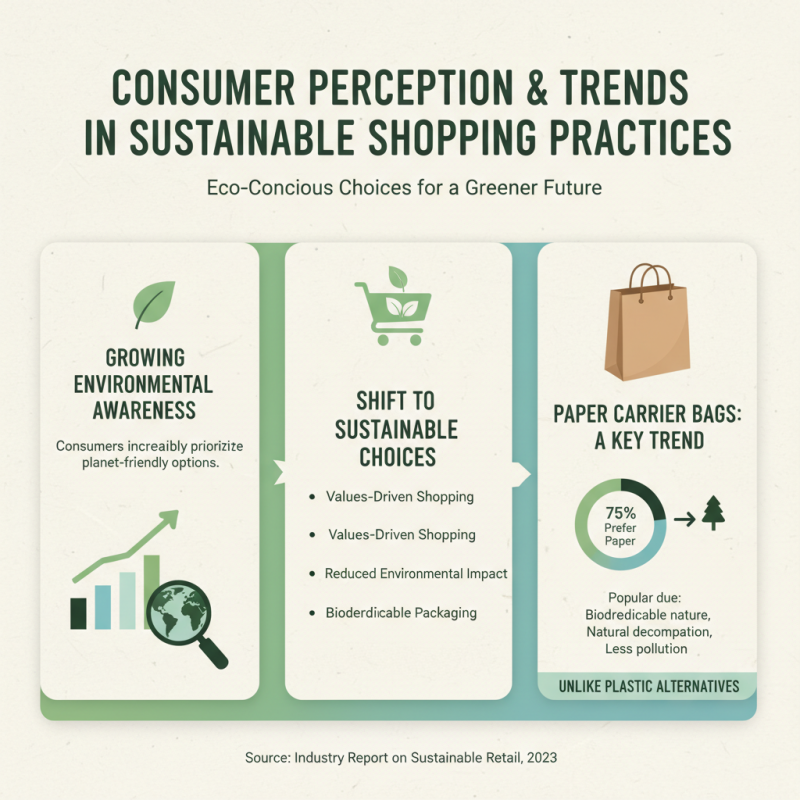
Consumer Perception and Trends in Sustainable Shopping Practices
As consumers become more aware of environmental issues, sustainable shopping practices are gaining traction. Many shoppers are now opting for eco-friendly options, making conscious choices that reflect their values. Paper carrier bags are rising in popularity due to their biodegradable nature and reduced environmental impact. These bags decompose naturally and do not contribute to long-term pollution, unlike plastic alternatives.
Interestingly, consumer perception plays a vital role in this trend. Studies show that people associate eco-friendly products with positive traits such as responsibility and care for the planet. Shoppers often feel a sense of pride when using paper bags, viewing them as a symbol of their commitment to sustainability. However, not all consumers fully understand the implications of their choices. Some may choose paper bags without considering the resources required for production.
Despite the positive shift, there are areas for improvement. Not every paper bag is sustainably sourced. The production process can still harm the environment if not managed properly. Additionally, some consumers may revert to plastic bags for convenience. This reveals a gap between intention and action in sustainable shopping practices. Overall, ongoing education and awareness are essential for fostering a truly sustainable shopping culture.




 WeChat QR
 WhatsApp QR