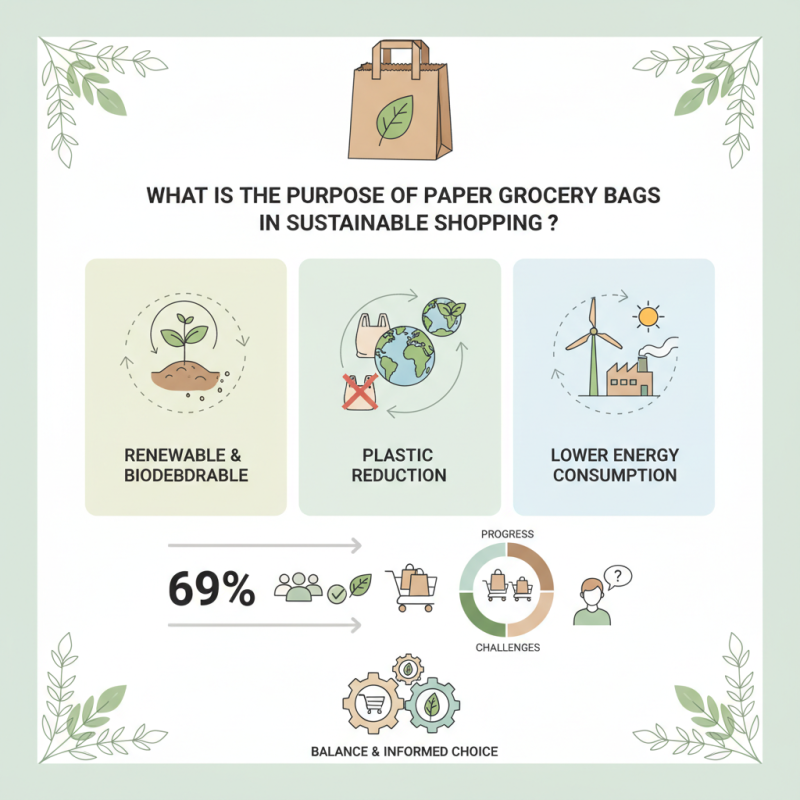
What is the Purpose of Paper Grocery Bags in Sustainable Shopping?
The rise of eco-conscious shopping has spotlighted Paper Grocery Bags. These bags, made from renewable resources, play a critical role in sustainable retail practices. According to a report by the Sustainable Packaging Coalition, approximately 69% of consumers prefer biodegradable packaging options. Paper Grocery Bags are not just an alternative; they symbolize a shift toward environmentally responsible choices.
Industry expert Dr. Emily Carter emphasizes, "Choosing Paper Grocery Bags can significantly reduce plastic consumption, benefiting our planet." This statement is backed by data showing that paper bags decompose faster than plastic. They also require less energy to produce when considering lifecycle impacts. However, there are challenges. Many consumers are still unaware of their environmental benefits. Education remains a key component in improving their adoption.
The journey towards widespread Paper Grocery Bag use reflects both progress and setbacks. While many retailers have embraced them, some still rely on plastic. Striking a balance between convenience and environmental responsibility is essential. Ultimately, Paper Grocery Bags present an opportunity for shoppers to make informed choices that contribute to sustainability.
The Environmental Impact of Single-Use Plastic Bags vs. Paper Bags
The choice between paper grocery bags and single-use plastic bags significantly impacts the environment. Paper bags, made from renewable resources, decompose more easily than plastic. However, their production involves trees, water, and energy, creating a carbon footprint. In contrast, plastic bags are lightweight yet take centuries to break down, posing a risk to wildlife and ecosystems. Balancing these factors is crucial.
Tips: When shopping, consider using reusable bags. They are more sustainable than both options. Always remember to wash your reusable bags regularly to maintain hygiene. If you choose paper bags, reuse them as much as possible before recycling. Their recyclability can help reduce waste.
Some may argue that the convenience of plastic bags outweighs environmental concerns. This mindset needs re-evaluation. The long-term effects of plastic pollution are severe, impacting oceans and wildlife. Reducing plastic consumption can lead to a healthier planet. Each small change can contribute significantly. Making informed choices is key to sustainable shopping.
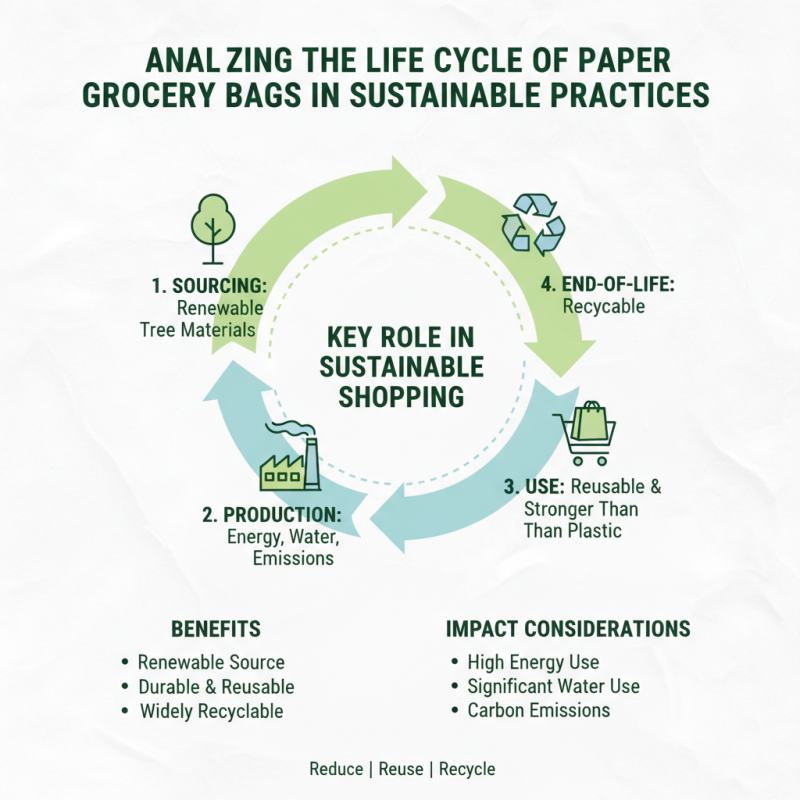
Analyzing the Life Cycle of Paper Grocery Bags in Sustainable Practices
Paper grocery bags play a significant role in sustainable shopping. Their life cycle begins with sourcing materials like trees, which can be renewable. Stronger than plastic, paper bags are reusable and recyclable. However, many overlook their environmental impact during production. It involves energy consumption, water usage, and emissions.
Tips: Choose bags made from recycled paper for reduced environmental impact. Always reuse your paper bags to maximize their life cycle.
While paper bags are biodegradable, they still require proper disposal. If not recycled, they contribute to landfill waste. Inconsistencies in recycling systems can lead to confusion. Not all areas have facilities to process paper properly. Awareness is crucial for everyone.
Tips: Support local recycling initiatives to improve paper bag recycling rates. Avoid mixing food waste with clean paper bags. Doing so helps maintain the integrity of the recycling process.
Consumer Behavior Trends: Preferences for Paper Bags in Grocery Shopping
The growing shift towards sustainability in consumer behavior is evident in grocery shopping trends. Research shows that 74% of shoppers prefer paper bags over plastic due to environmental concerns. These preferences are reshaping how retailers package their products. Paper bags are perceived as eco-friendly, biodegradable, and recyclable, making them attractive to conscious consumers.
However, not all paper bags are created equal. Some reports indicate that the production process can be resource-intensive, leading to questions about their overall impact. It's important for consumers to consider the entire lifecycle of these bags. For instance, while they can reduce plastic waste, excessive deforestation for paper production can negate some environmental benefits. A balance is needed in sustainable practices.
Furthermore, there is a gap in awareness. A survey revealed that 60% of customers are unaware of the details behind the production of paper bags. Many believe that using them is a definitive solution to waste. This illustrates a need for better education on sustainable choices. As consumer demand for alternatives grows, so does the responsibility to ensure these options are truly beneficial to the planet.
Economic Implications of Paper Grocery Bags in Retail Industry
Paper grocery bags play a significant role in the retail industry, particularly in the context of sustainable shopping. They are often considered more environmentally friendly than plastic options. However, the economic implications of using these bags are multifaceted and warrant discussion.
Retailers often face higher costs associated with paper bags compared to plastic ones. This can affect pricing strategies and profit margins. Some customers may prefer paper due to its perceived sustainability. This preference could lead to increased sales for stores that promote eco-friendly practices. Yet, not all consumers are willing to pay extra for this option. The challenge lies in balancing cost with consumer expectations.
Additionally, the lifecycle of paper bags should be considered. While they are biodegradable, their production involves more resources. If not properly managed, this can negate some of their environmental benefits. Retailers might find themselves caught between meeting eco-conscious demands and the realities of production costs. This complex relationship underscores the need for ongoing evaluation of paper bag usage in the retail sector.
The Role of Paper Grocery Bags in Reducing Carbon Footprint Estimates
The growing focus on sustainable shopping has spotlighted paper grocery bags. These bags offer a tangible way to reduce waste and lower our carbon footprints. Unlike plastic bags, which take centuries to decompose, paper bags are biodegradable. They break down naturally and can be recycled easily, promoting a circular economy.
In discussing carbon footprints, paper grocery bags have advantages. Their production generates less CO2 compared to plastic counterparts when considering their lifecycle. Studies indicate that switching to paper bags can reduce emissions significantly, especially when they are reused multiple times. However, producing paper does require trees, raising questions about sustainable forestry practices. It is vital to ensure that our choices do not unintentionally harm ecosystems.
Moreover, the shift to paper bags isn't a one-size-fits-all solution. Some argue that their overall environmental impact varies based on usage frequency and recycling rates. It’s also key to recognize that behavior matters. Using a reusable grocery bag consistently is still the best option. Ultimately, while paper bags contribute positively to sustainability, they should be part of a broader commitment to eco-friendly choices.
Impact of Paper Grocery Bags on Carbon Footprint Reduction








 WeChat QR
 WhatsApp QR